
Skin cancer develops when damage to the DNA in skin cells leads to abnormal and uncontrolled cell growth. The most common cause of this damage is ultraviolet (UV) radiation from the sun or artificial sources, which can trigger mutations over time.
However, other factors can also contribute, including:
These factors may increase susceptibility and, in many cases, act alongside UV exposure to further raise the risk. Because many of these risks, particularly UV exposure, are preventable, adopting sun-safe behaviours is one of the most effective ways to reduce your risk.
A simple way to remember how to protect your skin every day.
Consistently following these steps can significantly reduce your risk of skin cancer and support long-term skin health.
Wear long-sleeved shirts, collars, and longer shorts or skirts made from tightly woven fabrics.
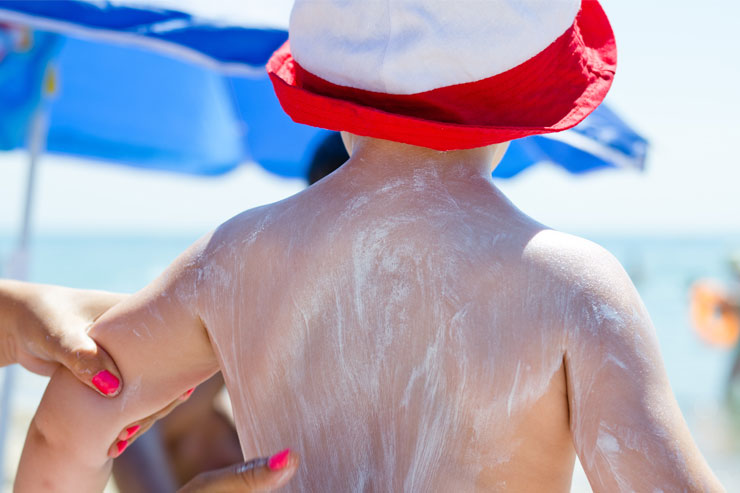
Apply a broad-spectrum, water-resistant sunscreen ideally SPF50 to all exposed skin, and reapply every two hours or after swimming or sweating.
Choose a wide-brimmed hat that shades your face, ears, and neck.
Especially during peak UV hours (typically 10am to 4pm), when the sun's rays are strongest.
Wear wrap-around sunglasses that meet Australian standards to protect your eyes from UV damage.